Step Up Now is empowering vulnerable communities through sustainable agriculture projects, such as fish farming and organic rice cultivation. These initiatives not only provide reliable sources of food but also create long-term employment and income opportunities.
The Problem We Faced
In Pullur, India, the lowest-caste communities—people society calls “untouchables”—had nothing. No land. No income. No future. The Indian government offered them wild, barren land with one condition: cultivate it for five years, and it’s yours forever.
But there was a catch: these families had no money, no equipment, and no knowledge of how to transform worthless dirt into productive farmland. That’s where Step Up Now in partnership with local leaders and individuals from GZB came in.
What We Did
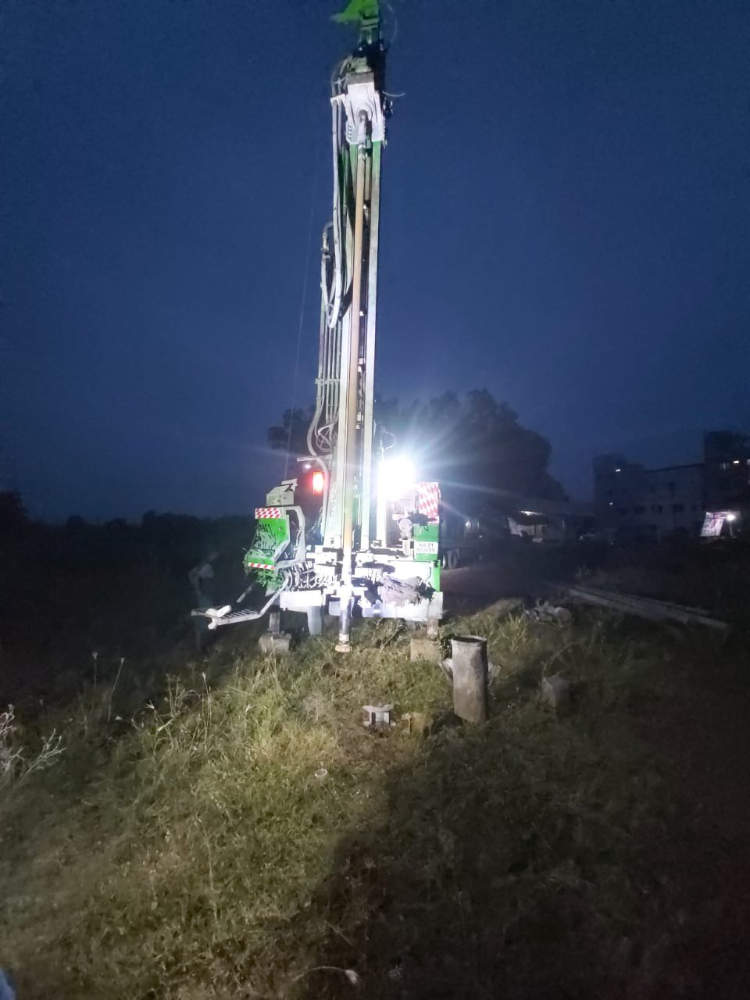
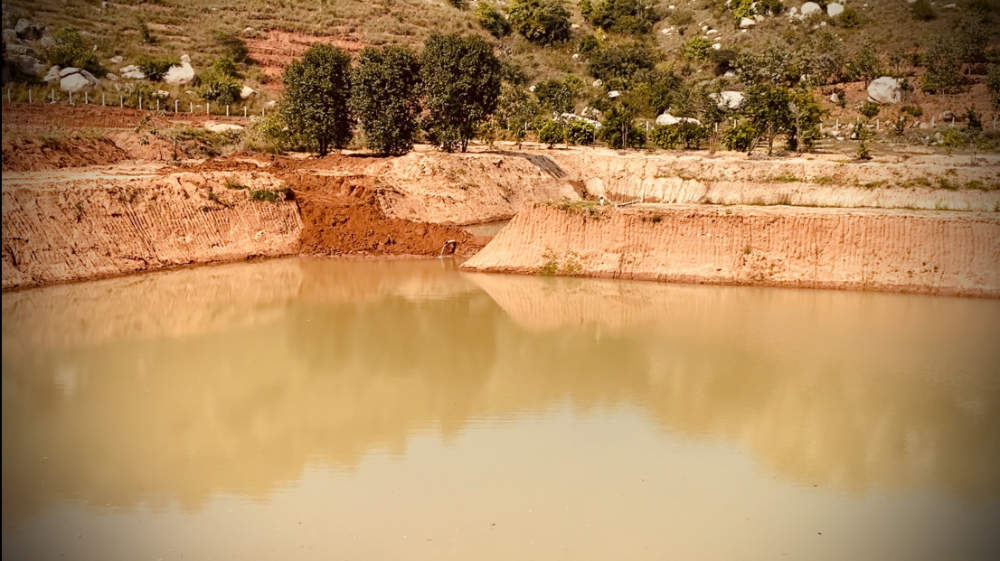
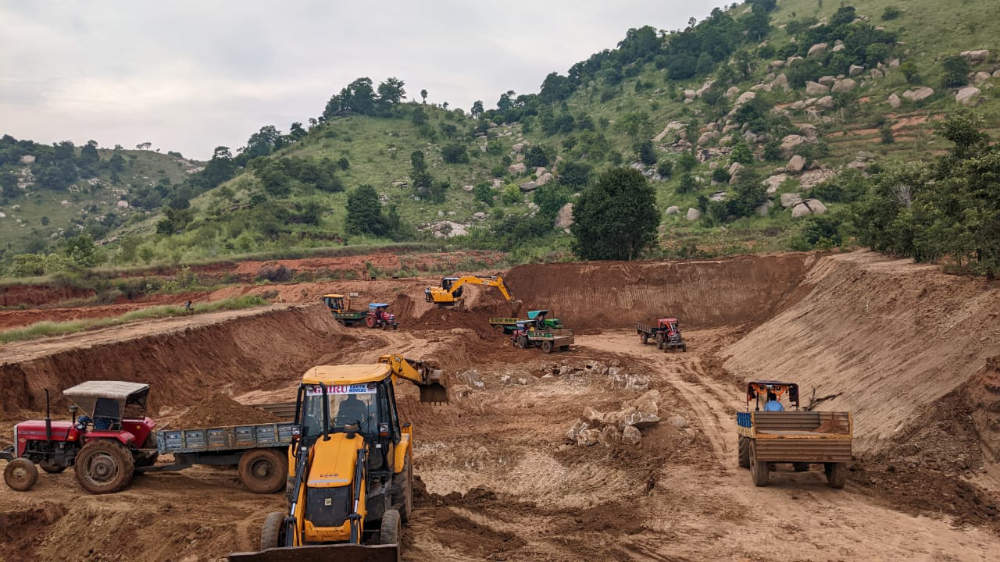
With an investment of $12,000 from private donors, like you, we launched the Fish Pond Project on 2 acres of barren land.
We didn’t just dig a pond.
We built a sustainable business that changed lives:
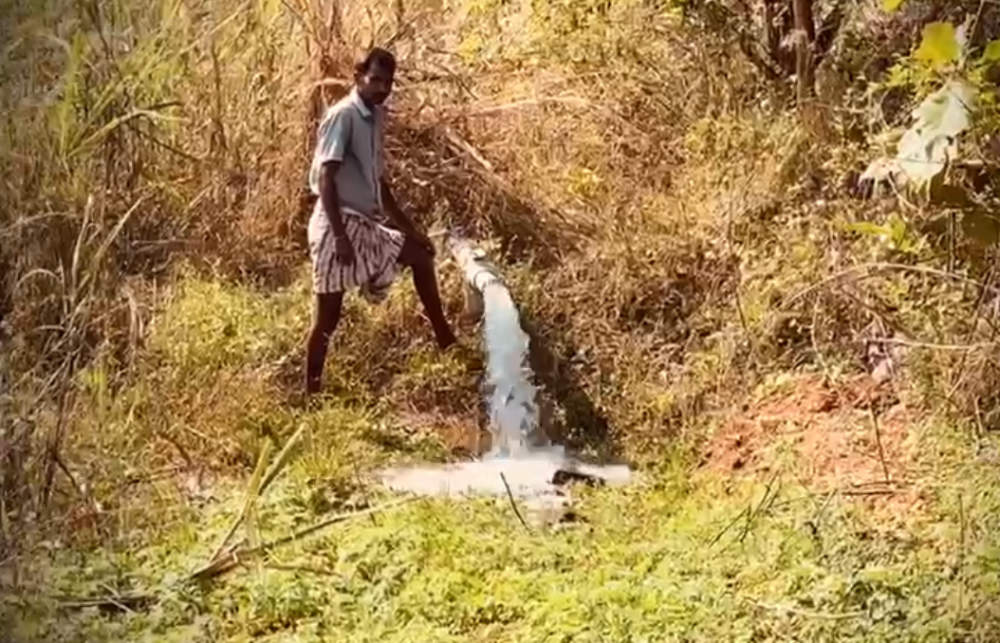
- Transformed wild land into productive aquaculture
- Trained community members in fish farming techniques
- Provided a reliable protein source for families in the community
The Results (Real Numbers from the Ground)
Year One Production:
- 12,000 kg of fish produced (6,000 kg per acre)
- Market value: $1.20/kg
- Annual revenue: $14,400
- Operational costs: $10,000 (seed, feed, maintenance)
- Net profit: $8,800 in first year
But the numbers only tell part of the story.
Why This Model Works and should be replicated
Partnership: India provides the land incentive; we provide the capital and ministry partners provide the training
Sustainability: After initial investment, the ponds are self-sustaining
Community Ownership: They run it, they own it, they benefit from it
A note From the founders
When we started these projects in Pullur, we weren’t sure if they’d work. Fish farming? Rice cultivation? We’re pastors and IT professionals—not agricultural experts.
But we partnered with the local community and European agricultural consultants, we listened to the community, we invested in training, and we trusted God with the results. Today, families who once had nothing have a source of protein. Children who were hungry are fed. Men and Women who couldn’t find work have steady income.
This isn’t charity. This is transformation. This is breaking the cycle of generational poverty. And it’s replicable everywhere.
Will you help us take it to the next village? The next country? The next 1,000 families?